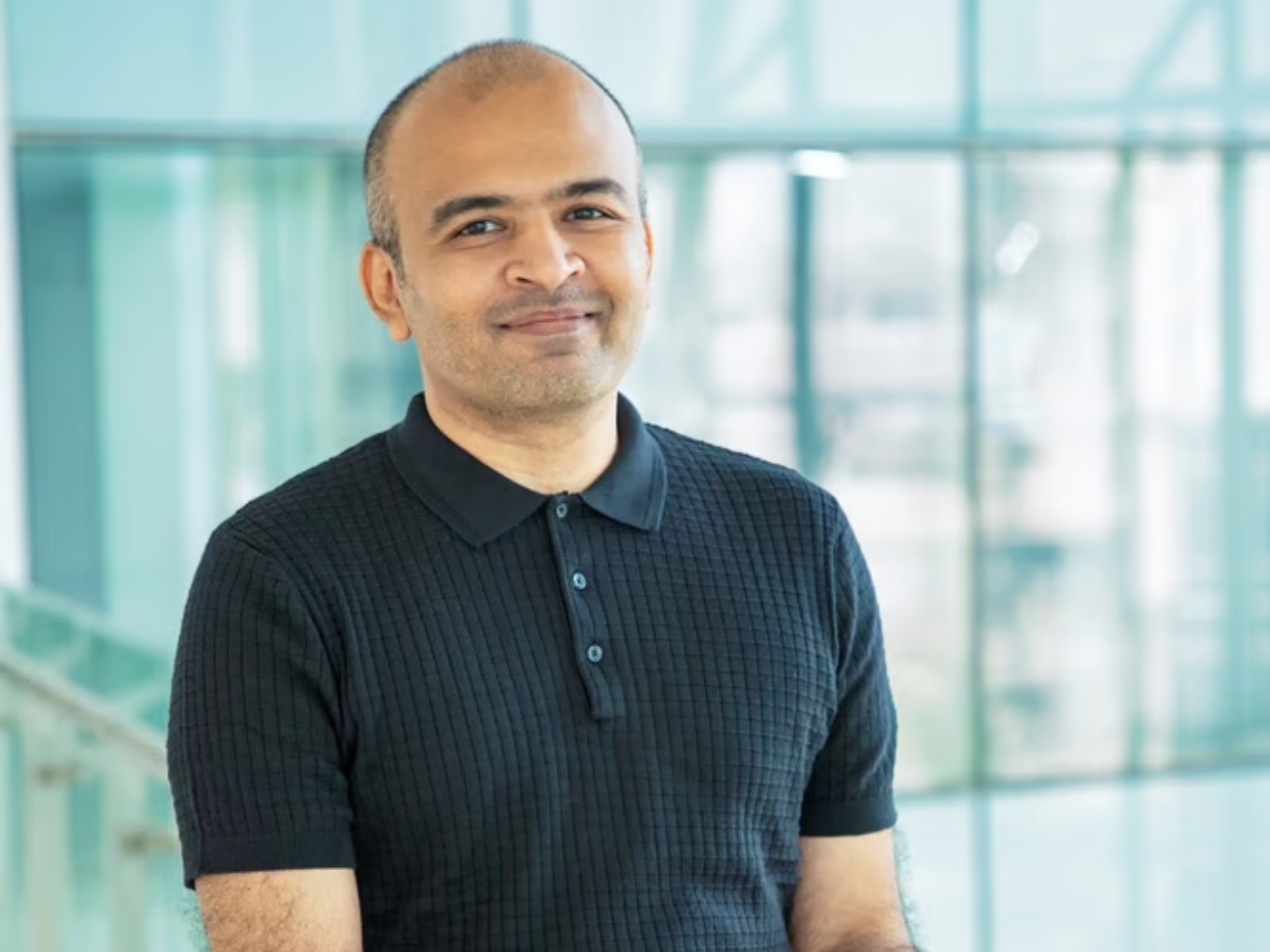

In 1997, when less than one million people in India had access to slow, dial-up internet connections, Anupam Mittal looked past the corporate cynicism and launched Sagaai.com (later rebranded as Shaadi.com). Traditionalists mocked the premise: arranged marriage in India was a sacred, caste-bound family institution governed by conservative community elders, newspaper classified ads, and neighborhood matchmakers. Today, Shaadi.com has facilitated over 50 million matches, while Anupam stands as the undisputed dean of Indian angel investing, having backed over 250 high-growth companies.
Act I: Boston College, MicroStrategy, and The Dot-Com Dawn
Educated in business and software at Boston College in the United States, Anupam joined MicroStrategy during the golden dawn of the American internet economy. Watching software transform financial intelligence and enterprise logistics, Anupam became convinced that the internet’s ultimate superpower was eliminating friction in high-stakes human transactions. In 1997, he invested his personal savings to build an early web prototype for Indian matrimony.
Act II: The 1997 Inception: From Sagaai to Shaadi.com
Returning to Mumbai, Anupam spent years battling societal taboo. Conservative families feared uploading photographs online, worrying about privacy and social stigma. Anupam introduced strict verification protocols, telephone authentication, and privacy controls that empowered women to control who could view their contact details. By 2001, Sagaai was rebranded as Shaadi.com, quickly expanding across the Indian diaspora in the US, UK, Canada, and the Gulf.
Act III: People Group & Digital Diversification
Recognizing the expanding digital consumer horizon, Anupam incorporated People Group, incubating multiple pioneer internet properties:
• Makaan.com: An early online real estate marketplace simplifying home buying and renting.
• Mauj Mobile: A pioneer in mobile gaming, ringtones, and mobile entertainment in the pre-smartphone feature phone era.
• People Pictures: Producing critically acclaimed cinema that pushed cultural boundaries.
Act IV: The Dean of Indian Angel Investing: Backing Ola & Druva
Long before institutional venture capital firms set up offices in Sand Hill Road or Bengaluru, Anupam was writing personal checks to unproven, hungry founders. In 2011, when Bhavish Aggarwal was operating Ola Cabs from a small apartment in Powai, Anupam wrote one of the earliest angel checks. He repeated this high-conviction pattern across Rapido, Druva, BigBasket, Mobikwik, FarEye, and Interactive Avenues, establishing himself as the most respected operational mentor in Indian venture capital.
Act V: The Shark Tank Statesman
As a lead Shark on Shark Tank India across all seasons, Anupam became celebrated as the show's intellectual anchor. Combining forensic commercial analysis with philosophical wisdom, Anupam evaluates business defensibility, gross margin structures, and leadership character with precision. His courtroom-style grilling and profound operational guidance have elevated the standard of startup literacy across the Indian subcontinent.
Act VI: Re-inventing Shaadi: AI & Shaadi Live
Refusing to let Shaadi.com become a legacy portal in the era of swipe-dating apps like Tinder and Bumble, Anupam led a comprehensive technological modernization. Launching Shaadi Live—a real-time interactive video speed-dating platform where users connect in structured 5-minute video conversations daily—and deploying advanced AI facial verification, Anupam kept the platform vital for Gen-Z and millennial matrimonial searchers.
Act VII: Industry Transformation & Strategic Legacy
- Democratized Social Matchmaking: Transformed arranged marriages from an opaque, patriarchal ritual into an empowered, individual-led digital choice.
- Pioneered Indian Angel Investing: Deployed seed capital into over 250 Indian startups, catalyzing the growth of modern unicorns like Ola and Druva.
- Sovereign Digital Resilience: Maintained profitable internet businesses across three distinct decades and technological eras (dot-com, 3G mobile, and generative AI).