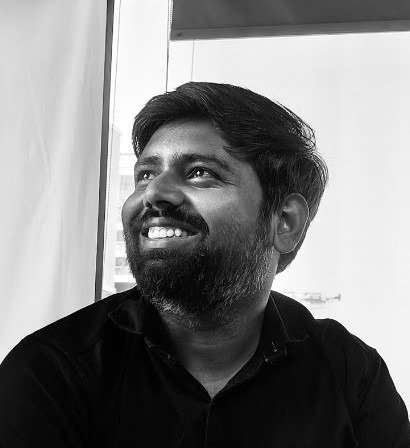


The Rejection of the Bureaucratic Script
In the small town of Rewa in Madhya Pradesh, the prescribed path to middle-class triumph was singular: clear the Union Public Service Commission (UPSC) examination and become an IAS officer.Anubhav Dubey's parents sent him to Delhi's coaching hubs with high hopes. But sitting in crowded lecture rooms memorizing administrative statutes, Anubhav felt completely suffocated. He knew in his gut that his destiny was not to administer a government district; it was to build an enterprise with his own two hands.
In 2016, he made a phone call that changed his life. He reached out to his childhood friend Anand Nayak, who was running a small family business in Indore.
Anubhav asked a deceptively simple question: "What is the one thing every Indian consumes multiple times a day, across every caste, creed, and income bracket?"
The answer was immediate: Chai.
Yet, the Indian chai ecosystem was bifurcated into two unsatisfactory extremes:
1. Dirty roadside tapris with unwashed glasses, filthy surroundings, and unsafe environments for women.
2. Overpriced Western coffee chains like Starbucks and Café Coffee Day that charged ₹250 for a machine-brewed tea bag in hot water.
There was zero organized, hygienic, affordable, youth-centric middle ground.
The ₹3 Lakh Hustle: Outside the Indore Girls' Hostel
With just ₹3 lakh borrowed from close friends and family, Anubhav and Anand secured a tiny, dilapidated space right opposite a prominent girls' hostel in Indore.They had no money left for interior decorators or corporate contractors. Working with their own hands:
- They picked up discarded wooden pallets and transformed them into rustic tables and benches.
- They bought second-hand paints and painted the walls with witty, relatable youth slogans.
- They christened the venture Chai Sutta Bar—a daring, provocative name designed to spark curiosity, while paradoxically enforcing a strict, 100% smoke-free environment inside.
Most importantly, Anubhav made a conscious, defining choice regarding the vessel: they would serve tea exclusively in biodegradable terracotta clay cups (Kulhads).
The clay lent a sublime earthy fragrance (the poetic *mitti ki khushboo*) to the piping hot cardamom and ginger tea, while ensuring absolute hygiene: every cup was used once and returned back to the earth.
Within days of opening, the stall was mobbed by college students, young professionals, and women who appreciated a safe, dignified, culturally authentic social hub where a world-class cup of tea cost only ₹10 to ₹15.
The Kulhad Economic Engine: Empowering 2,500+ Rural Potters
As Chai Sutta Bar began franchising, Anubhav realized the monumental social impact of their core consumption metric.Traditional Indian potters (*kumhars*) were facing economic extinction as plastic and paper cups replaced earthenware over the last three decades. Younger generations of potter families were abandoning their heritage craft to work as day-laborers in construction.
Anubhav created a direct-procurement supply chain with potter clusters across Madhya Pradesh, Uttar Pradesh, and Rajasthan.
Today, Chai Sutta Bar consumes over 4.5 lakh kulhads every single day.
This staggering daily demand provides consistent, dignified, recession-proof livelihoods to more than 2,500 rural artisan families, pumping millions of rupees directly into village cottage economies while keeping the brand completely free of toxic plastic and microplastic pollution.
The Low-CapEx Franchise Juggernaut
Unlike high-capital international QSR chains that require an initial investment of ₹1 to ₹2 Crore, Anubhav engineered the CSB franchise model with extreme capital efficiency: - Turnkey setup costs between ₹15 to ₹25 lakh. - High-margin beverage recipes standardized into pre-measured proprietary spice tea blends, eliminating the need for expensive gourmet chefs. - Break-even cycles frequently achieved within 9 to 15 months.This formula democratized entrepreneurship for ambitious small-town youths. First-time business owners opened CSB outlets in Tier-2 and Tier-3 towns—Gorakhpur, Jabalpur, Bilaspur, Gwalior, Surat, and Siliguri.
Today, Chai Sutta Bar operates more than 320 outlets across 190+ Indian cities, with flagship international locations serving kulhad tea in Dubai and Oman.