
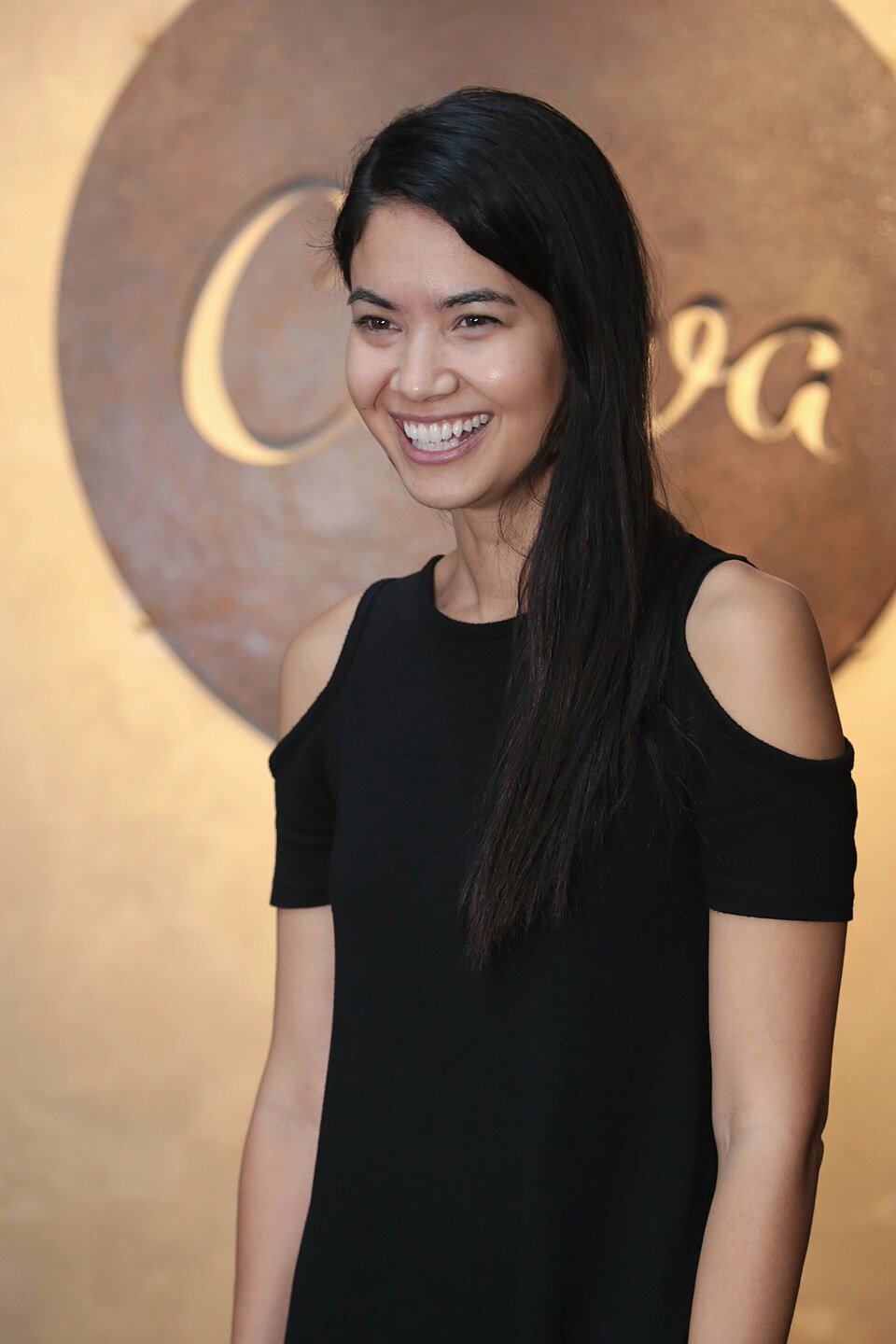
At age 19, while tutoring university classmates in desktop graphic design suites, Melanie Perkins noticed something obvious yet universally ignored: traditional creative software was bloated, punitive to beginners, and hostile to collaboration.
Students spent an entire semester just learning where the button tools were located.
The Living Room Sandbox: Fusion Books
Recognizing that pitching a global web-based design suite in 2007 from Perth, Western Australia—thousands of miles away from Silicon Valley—would sound like a fantasy to investors, Melanie and her co-founder Cliff Obrecht started with a niche proof-of-concept: Fusion Books.They built a browser-based software tool specifically for high schools to design their own yearbooks. Working out of Melanie's family living room, they cold-called schools across Australia and France. Within four years, Fusion Books became Australia’s largest yearbook publisher, generating profitable cash flows and proving that non-technical users craved drag-and-drop web creation.
Overcoming 100 Silicon Valley Rejections
When Melanie flew to Silicon Valley to pitch Canva, venture capitalists repeatedly passed. The pitch deck was too broad; Adobe was invincible; Australia was too far away.Instead of retreating, Melanie treated every rejection as product feedback. She revised her pitch deck more than a hundred times, refining the narrative from 'a design tool' into 'the operating system for visual communication for the 99% who are not professional designers.'
The $40 Billion Empire of Empathy
When Canva launched in 2013, 50,000 users signed up in the first month. Today, Canva serves over 190 million monthly active users, generates more than $2 billion in annualized revenue, and has funded unprecedented philanthropic initiatives through the Canva Foundation.Melanie’s journey remains a masterclass in the power of patience, grassroots customer empathy, and the refusal to let geographic isolation constrain global ambition.